Within six months, the software developer you choose will know your business inside out: your customers, your pricing, your awkward cases, your Tuesday. That's a lot of intimacy to hand over on the strength of a nice portfolio and a confident meeting.
So here's the checklist we'd give a friend choosing a developer in South Wales, including the questions that would make us sweat if we were on the receiving end. Especially those, actually.
Describe the business problem, not the solution you've imagined, and pay attention to the response. A good developer asks about your workflow, your exceptions, your team. A worrying one quotes a price for whatever you said in the first meeting. The quality of the questions you're asked is the single best predictor of the quality of the system you'll get. If you've written a proper brief, the responses to it will sort your shortlist all by themselves.
You don't need a developer who's built for your exact industry. You need one who's solved your shape of problem: bookings with messy rules, systems that move money, operations like Jones International's. And ask directly who'll do the work. The person in the sales meeting, a junior you'll never meet, or a subcontractor three time zones away? None of these is automatically wrong, but you're entitled to know before you sign, not after.
Ask how they decide between building custom, configuring a product and connecting what you already own. A developer who only ever recommends building is selling capacity, not solving problems. The right answer includes the phrase "it depends", followed by the things it depends on.
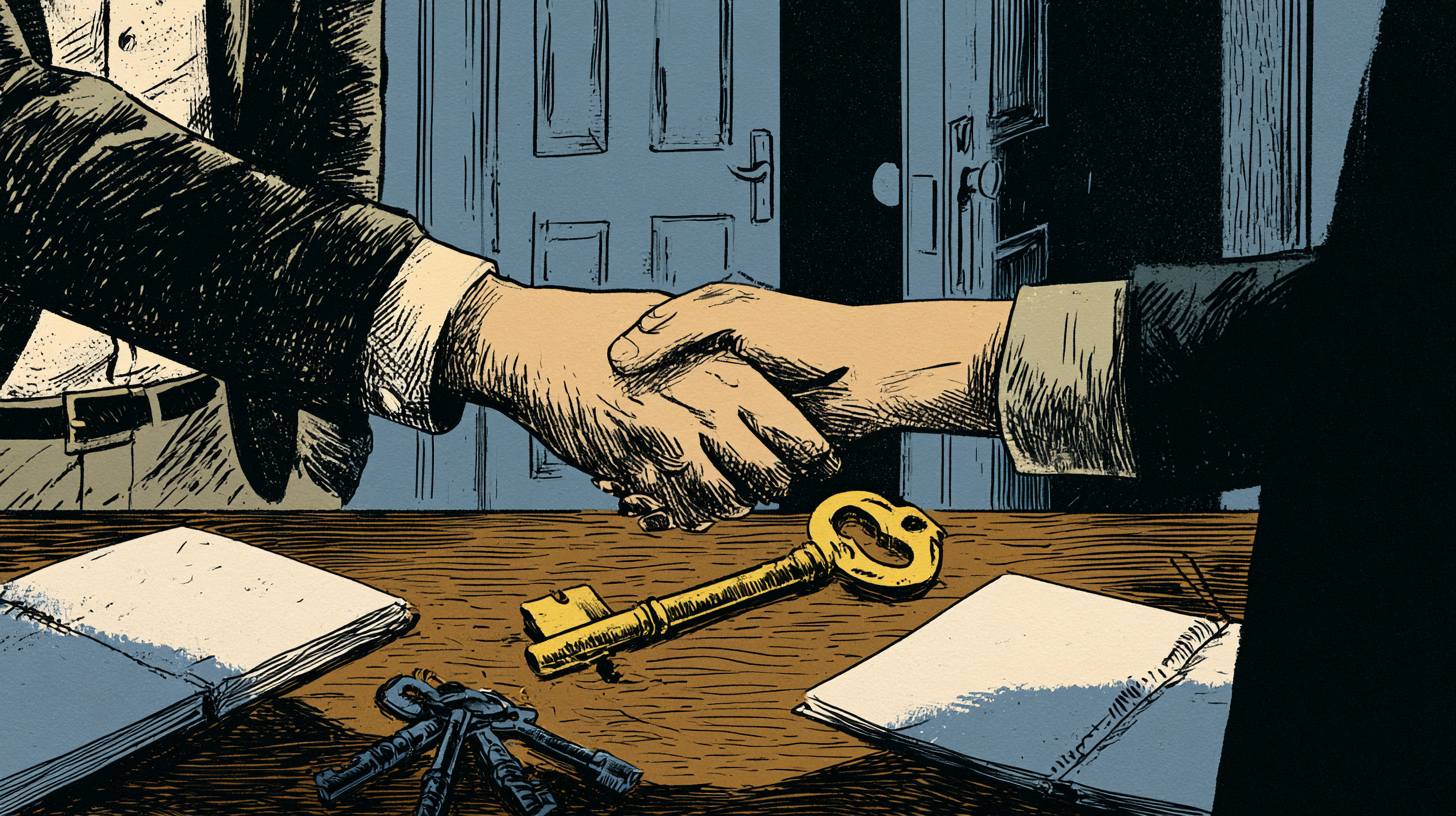
Who's responsible for your data, and how is it protected? How is the system tested, and how will you accept it, against real scenarios or a quick demo? Who owns the code, the accounts and the hosting, and could you leave without a hostage negotiation? And what does life after launch look like, concretely? Vague answers to any of these four are the loudest warning available. Portability especially: a confident developer makes leaving easy, precisely because they expect you'll never want to.
The cheapest quote and the dearest are often describing different projects. Line them up: what's in the first release, what's excluded, what happens to changes, what does support cost in year two? An estimate that shows its workings beats a confident round number every time.
You're not buying a website or a system. You're choosing who answers the phone in three years when something needs to change. Meet them, disagree with them once, and see how it goes. The red flags worth acting on are mostly human ones: evasiveness about ownership, allergy to writing things down, and agreement with everything you say. That last one especially. You're not paying for agreement. You can get that free at home.
And yes, we're aware of the irony of publishing this list while being on it. That's rather the point: hold us to every line, alongside anyone else you're considering, and choose whoever answers best. We'll take our chances.



We're proud to have been recognised as Wales' Most Trusted Web Design & Development Company for 2025. This award reflects our commitment to delivering exceptional digital solutions and outstanding client service that sets the standard for excellence.