Let's be honest, for most businesses, the 'About Us' page is an afterthought.
It's usually the last page you write, cobbled together at 11 PM. It gets filled with vague, corporate-sounding nonsense like "we are a mission-driven, customer-focused solutions provider" because you think that's what you're supposed to say.
Or it's just a boring, two-sentence history of the company that nobody, not even your mum, would want to read.
Here's the thing you might be missing: your 'About Us' page is secretly one of the most important pages on your entire website.
Analytics data from loads of sites shows it's often in the top three or four most-visited pages, right after the homepage and services. Why?
Because people buy from people.
When someone clicks on your 'About' page, they're not really looking for a deep dive into your company's history. They have a simple question, and it's this:
"Are these the right people for me?"
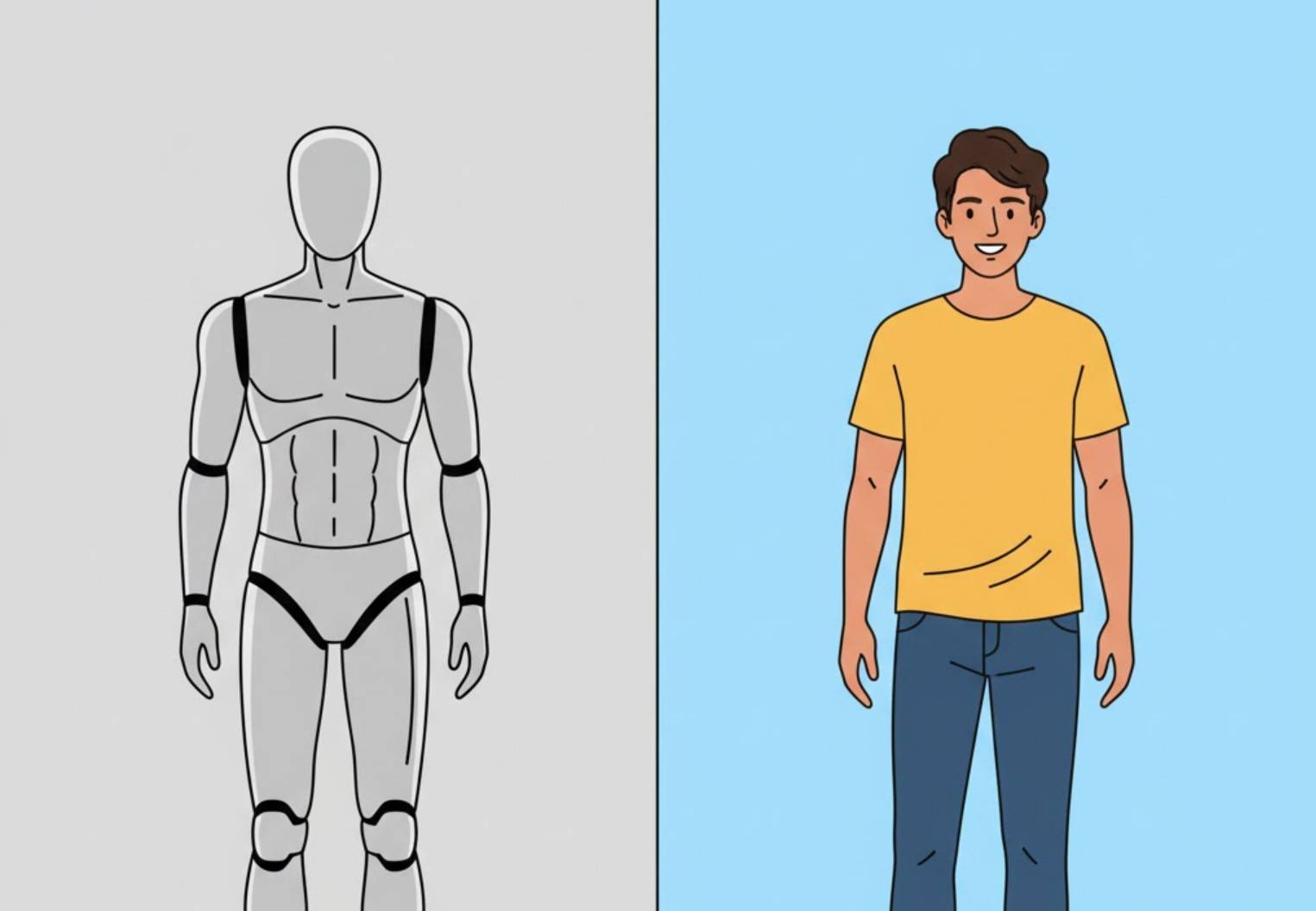
They want to know who you are. They're looking for a sign that you're trustworthy, that you know your stuff, and that you're not some massive, faceless corporation (or, on the other hand, some fly-by-night operator who'll vanish with their deposit).
This is especially true for local businesses. If you're looking for a builder or a designer in Swansea, you want to see the real people behind the logo. You want to feel a connection. The 'About' page is your one and only chance to build that human trust.
It's easy to get this wrong. The classic mistakes are:
A great 'About' page doesn't sell, it tells. It tells a story.
1. Show Your Face This is the big one. Get a decent, professional photo of you and your team. Not a stiff, corporate headshot in a cheap suit, just a clean, friendly photo. Let people see the real humans they'll be dealing with.
2. Tell Your 'Why' Story Don't just say what you do, say why you do it.
3. Talk Like a Human Read your 'About' page out loud. Does it sound like you're talking to a mate in a cafe? Or does it sound like you're reading from a legal document? Write in your own voice. Use contractions (like "it's" and "you're"). If you're a local business, let that local personality show.
4. Focus on the Customer's Problem Your story should also show the customer that you understand them.
Your 'About' page is your single best chance to stop being just another website and start being a business that people trust and want to work with. Don't waste it by filling in a template. Think about your story, and just tell it.



We're proud to have been recognised as Wales' Most Trusted Web Design & Development Company for 2025. This award reflects our commitment to delivering exceptional digital solutions and outstanding client service that sets the standard for excellence.