Nobody wakes up wanting to pay for thinking. You've got a problem, you can picture the system that fixes it, and every week spent not building it feels like money being wasted. We understand the itch. We also know where scratching it too early leads.
Discovery is the structured bit of work that happens before anything substantial gets built. It's how a vague operational headache becomes a clear, costed plan. And done properly, it's usually the cheapest money you'll spend on the entire project, because the most expensive software in the world is the system that solves the wrong problem beautifully.
The first conversation shouldn't be about screens. It should be about why anything needs to change at all. Maybe your booking process depends on manual checks. Maybe a critical spreadsheet has become hard to trust. Maybe nobody can see a customer's complete history without opening five things.
The outcome describes a better operation, not a piece of software. "Customers can complete a booking without staff re-typing the details." "Every live job has a visible owner and a next action." "Clients can securely fetch the latest approved document themselves." Statements like these give the project direction while leaving room to choose the best way of getting there. And no, you don't need to arrive with a technical specification. That's our job, not yours.
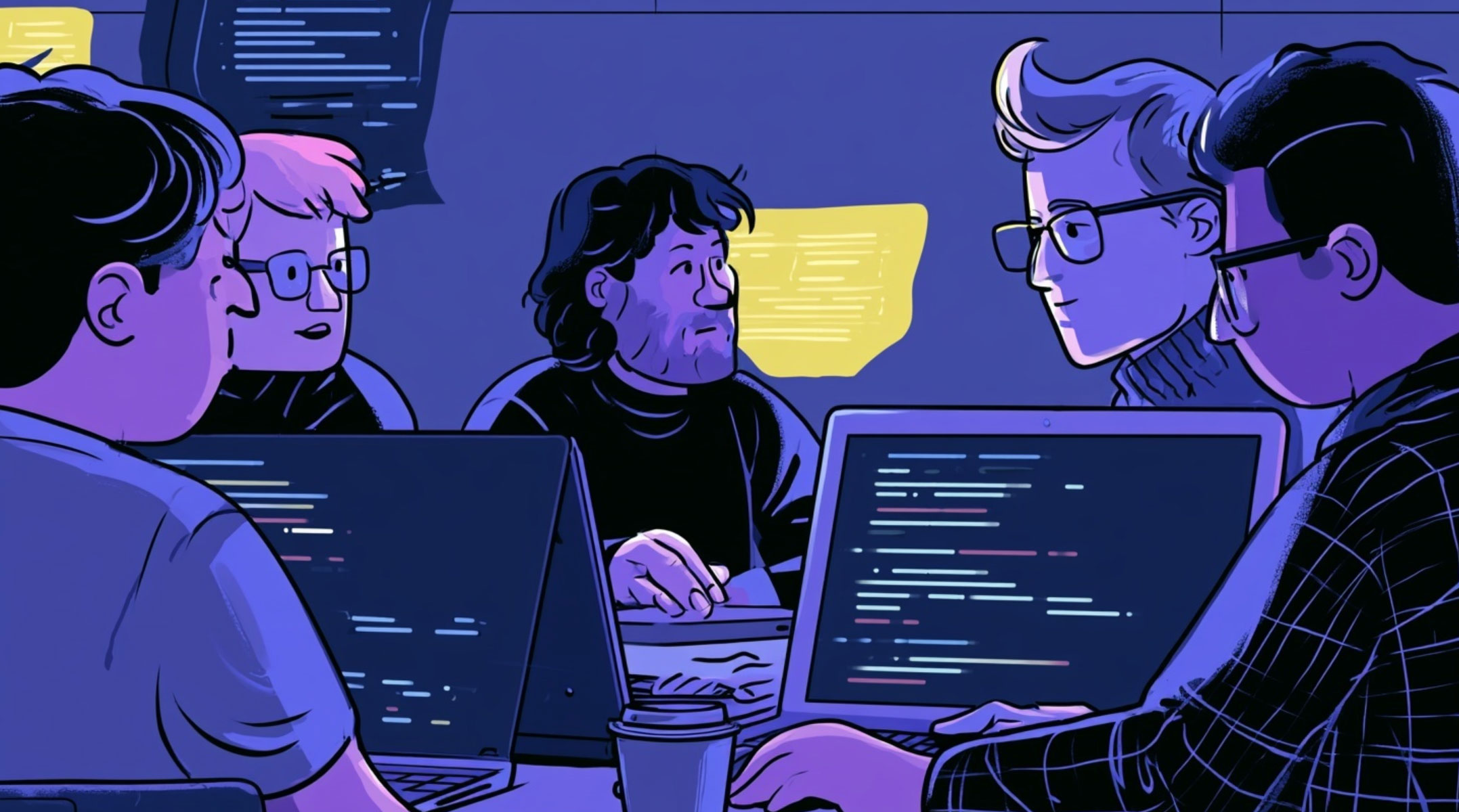
Managers know the priorities and the constraints. The person who operates the process every day knows where the information is missing, which shortcuts are load-bearing, and how the awkward cases really get resolved. Customers and partners know about friction your team stopped noticing years ago.
Good discovery gathers all three perspectives without promoting every preference to a requirement. In our experience an hour walking through a real case with the person who handles it beats any questionnaire ever written.
We'll ask to trace a normal example from start to finish: every action, data source, decision, handover and email. Then we'll ask for the messy ones. The duplicate. The urgent one. The one that got cancelled halfway and refunded twice.
Exceptions expose the hidden rules. If a manager keeps a private note to stop a certain combination happening, or staff always ring someone before changing a particular status, that's business knowledge living in people's heads, and the new system needs to know about it. This is the same discipline as mapping a workflow before automating it, applied with a wider lens: data, integrations, volumes and risk included.
Not a hundred-page document nobody reads. A plan: what a safe first release must do, what deliberately waits for later, what it should cost, and why. Sometimes that plan is smaller than the client expected. Sometimes the honest answer is that connecting the tools you already have gets you most of the value for a fraction of the spend. We'd rather tell you that in week two than have you discover it in month six.
Discovery is the first stage of how we work with every client, and it's where bespoke software projects are quietly won or lost. Skipping it doesn't remove the thinking. It just moves the thinking to the most expensive possible moment: after the build.
An operational headache and half an idea is plenty to start with.



We're proud to have been recognised as Wales' Most Trusted Web Design & Development Company for 2025. This award reflects our commitment to delivering exceptional digital solutions and outstanding client service that sets the standard for excellence.